Original galvanized pipes fail in Quapaw Quarter Victorians, sending water into basements silently. The IICRC-standard local crew pinpoints the leak immediately, extracts moisture from historic framing, and dries the structure completely with twice-daily monitoring and full insurance documentation.

Moisture meters and acoustic detection pinpoint water seeping under Quapaw Quarter foundations with precision. Exact location means crews open only the floor or slab area containing the actual leak, preserving the rest of your historic home's framing and finishes completely intact.
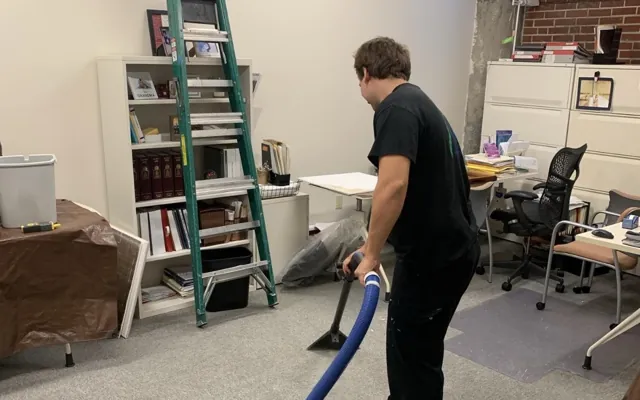
Crews remove standing water from basements and first floors carefully, then open framing and concrete only where absolutely necessary. Quapaw Quarter homes need gentle handling to preserve original woodwork and plaster while removing moisture and enabling thorough drying to begin.
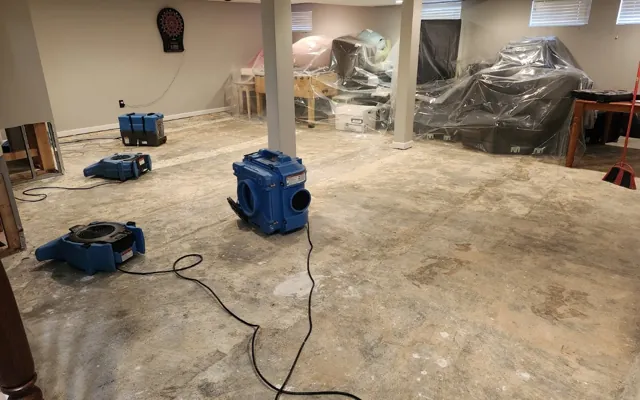
Air movers and dehumidifiers run continuously while crews record moisture readings twice daily in basements, framing, and walls. Work continues until readings confirm safety throughout, with full documentation prepared for your insurance file.

Slab leak cleanup in Quapaw Quarter generally runs $1,500 to $7,000 for the water damage work, separate from the plumbing repair. The cost depends on how long the leak ran, how far the moisture spread under the flooring and walls, and how much slab access and restoration is needed. Sudden pipe failures under the slab are often covered by homeowner insurance. Crews document the loss for your claim.
The Quapaw Quarter preserves Little Rock's oldest residential heart with Victorians and early-1900s homes featuring full basements and original plumbing running through 120-year-old framing. Heavy spring rains regularly overwhelm aging sump pumps while galvanized supply lines fail quietly underneath, flooding basements and first floors in some of the city's most valued and historic homes year after year. Quapaw Quarter homes built over a century ago carry original galvanized plumbing that corrodes predictably, causing sudden ruptures. Full basements unique to this neighborhood catch sewer backups and spring flood seepage regularly, and old wood framing absorbs moisture slowly, remaining hidden for weeks before visible structural damage appears. From Quapaw Quarter, crews also cover nearby Governor's Mansion District, South Main Residential Historic District, Downtown, MacArthur Park District, Capitol View/Stifft's Station, Hillcrest. See every neighborhood and town on the full service area page.
See all areas servedEvery loss is photographed, measured, and logged from the first visit, so the paperwork holds up with your insurance carrier.
Technicians follow recognized IICRC drying standards and prove the work with daily moisture readings, not guesswork.
Emergency dispatch any hour of the day or night, with a real crew on the way, not a callback in the morning.
A real crew dispatched any hour, not a callback in the morning.
Trained technicians following recognized IICRC drying standards.
Truck-mounted, portable, and submersible for any size loss.
The loss is documented and billed to the carrier directly.
Absolutely. Crews use non-invasive moisture meters to track drying through existing walls and framing, rarely needing to open more than the slab area above the leak itself. This preserves your home's historic plaster and woodwork while the structure dries safely and completely.
Most Quapaw Quarter jobs take seven to ten days of active dehumidification after water extraction completes. Older, larger homes with full basements may need longer because more wood must dry thoroughly throughout. Crews take readings twice daily and report progress to you and your adjuster.
Crews are on call 24 hours a day and can be on the way to Quapaw Quarter within the hour.
Call (501) 287-9058