A dishwasher that leaks under the kitchen floor can go unseen for weeks, warping cabinets and buckling hardwood. Arkansas Water and Fire finds the hidden moisture and dries it out across Little Rock, IICRC-standard, local, and on-site in about an hour.

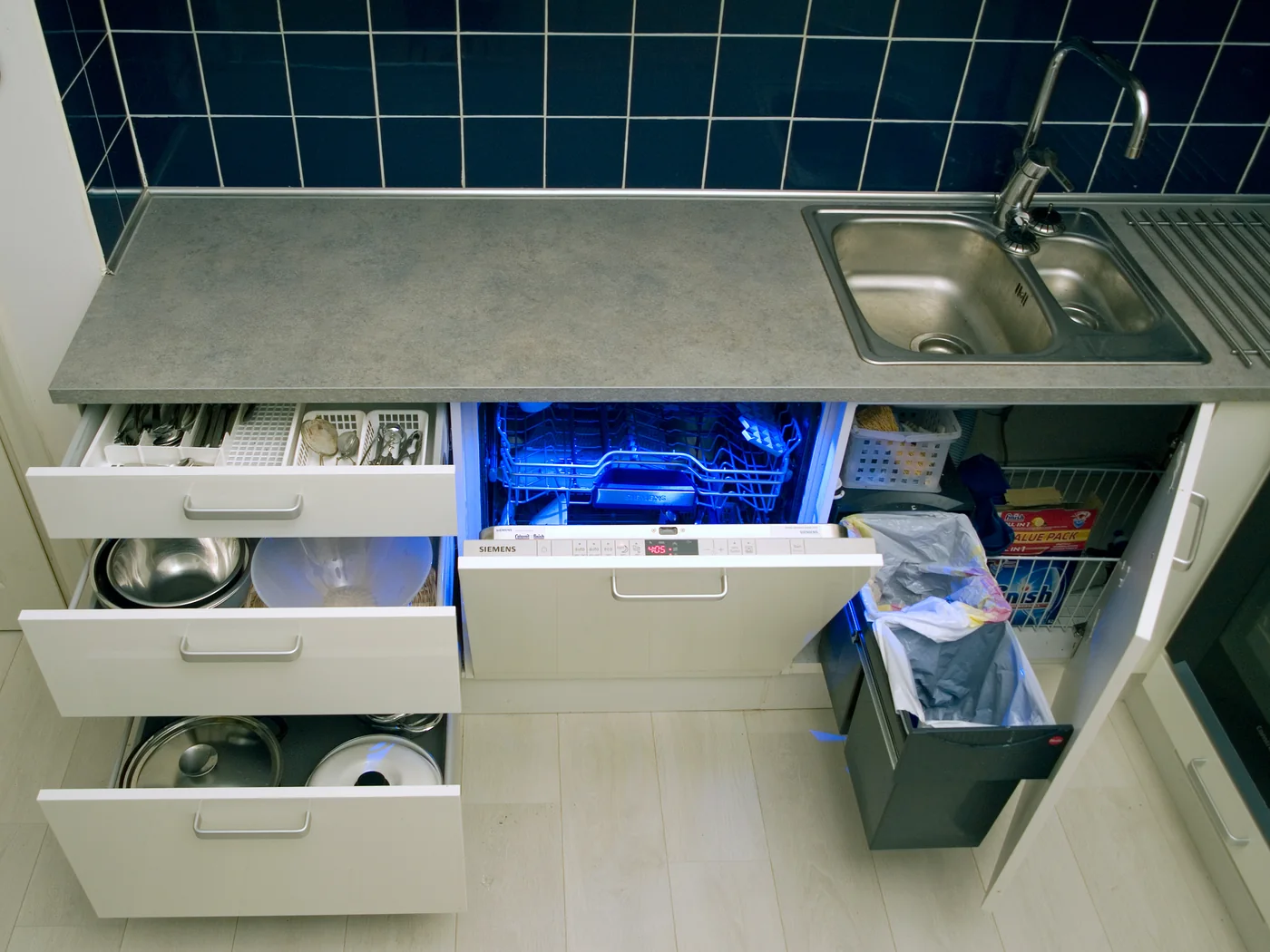
Crews disconnect and slide out the dishwasher, then check the cabinet base, subfloor, and neighboring flooring with moisture meters to map how far the leak has traveled.
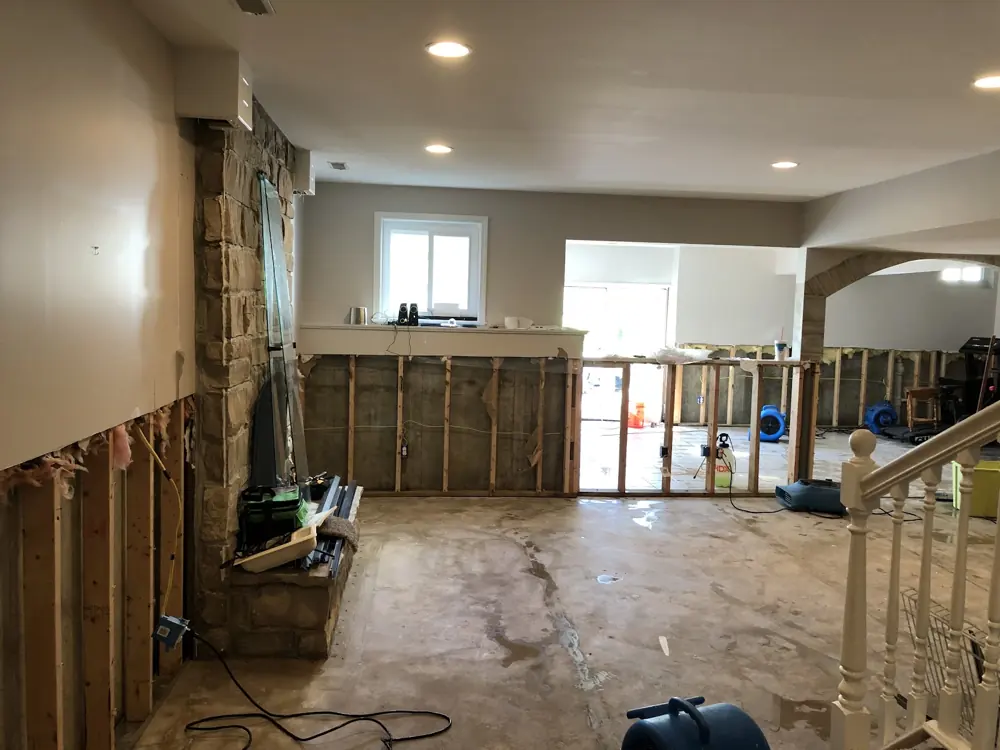
Air movers and a dehumidifier dry the cabinet base, subfloor, and toe-kick area, and crews lift or drill flooring where needed so trapped water can escape.
Any surfaces that stayed wet long enough to grow mold are cleaned and treated with antimicrobial before crews close the cabinet back up and reset the appliance.
Crews replace swollen cabinet panels or damaged flooring, confirm the supply and drain connections are sound, and reinstall the dishwasher so the leak does not start again.

While help is on the way, these first steps, done only where it is safe, limit the damage and protect the insurance claim.
Shut the supply off at the source, or close the home's main valve if the source is not obvious. Stopping the flow limits the damage more than anything else.
Switch off electricity to the affected area, but only if the breaker can be reached without standing in or touching the water.
Get a crew dispatched right away. The sooner extraction and drying begin, the more flooring, drywall, and belongings can be saved.
Take photos and a short video of the water and the affected rooms before anything is moved, so the insurance claim starts strong.
A dishwasher leak cleanup in Little Rock usually runs $700 to $3,500. The cost depends on how long the leak went unnoticed, whether it reached the subfloor and hardwood, and how much cabinetry needs replacing. Sudden supply-line or hose failures are often covered by homeowner insurance, while a slow leak ignored for months may not be. Crews document the cause thoroughly.
Crews reach Little Rock and central Arkansas fast, from Hillcrest and The Heights to the Quapaw Quarter, Pulaski Heights, and nearby North Little Rock and Sherwood. See the full list on the areas served across Little Rock page.
See all areas servedEvery loss is photographed, measured, and logged from the first visit, so the paperwork holds up with your insurance carrier.
Technicians follow recognized IICRC drying standards and prove the work with daily moisture readings, not guesswork.
Emergency dispatch any hour of the day or night, with a real crew on the way, not a callback in the morning.
A real crew dispatched any hour, not a callback in the morning.
Trained technicians following recognized IICRC drying standards.
Truck-mounted, portable, and submersible for any size loss.
The loss is documented and billed to the carrier directly.
Common signs are a floor that cups or feels soft near the unit, a musty smell in the kitchen, or dark staining along the bottom of the cabinets. Because the leak hides behind the kickplate, crews slide the dishwasher out and use moisture meters to confirm how far the water has spread.
Sometimes. If crews reach it quickly and dry the layers thoroughly, cupped hardwood can flatten back out as it dries. Boards that stayed wet for weeks may be swollen or delaminated beyond saving. Crews dry first and measure the results before deciding what actually needs replacing.
It often does. The space under a dishwasher stays dark, enclosed, and damp, which is exactly what mold needs, and the humid climate speeds it along. If the leak sat for a while, crews clean and treat the affected surfaces with antimicrobial before closing the cabinet back up.
A sudden failure of a supply line or hose is usually covered once you meet your deductible. A slow leak that was visible and left unrepaired for months is often denied. Crews document the source, take photos, and record moisture data so your claim has solid support.
Little Rock crews are on call 24 hours a day, local and fast, and can be on the way within the hour.
Call (501) 287-9058