Victorian-era water lines in Quapaw Quarter basements and kitchens fail silently until hidden water spreads into subfloors and framing. The IICRC-standard crews dry fast, documenting everything for your insurance file.

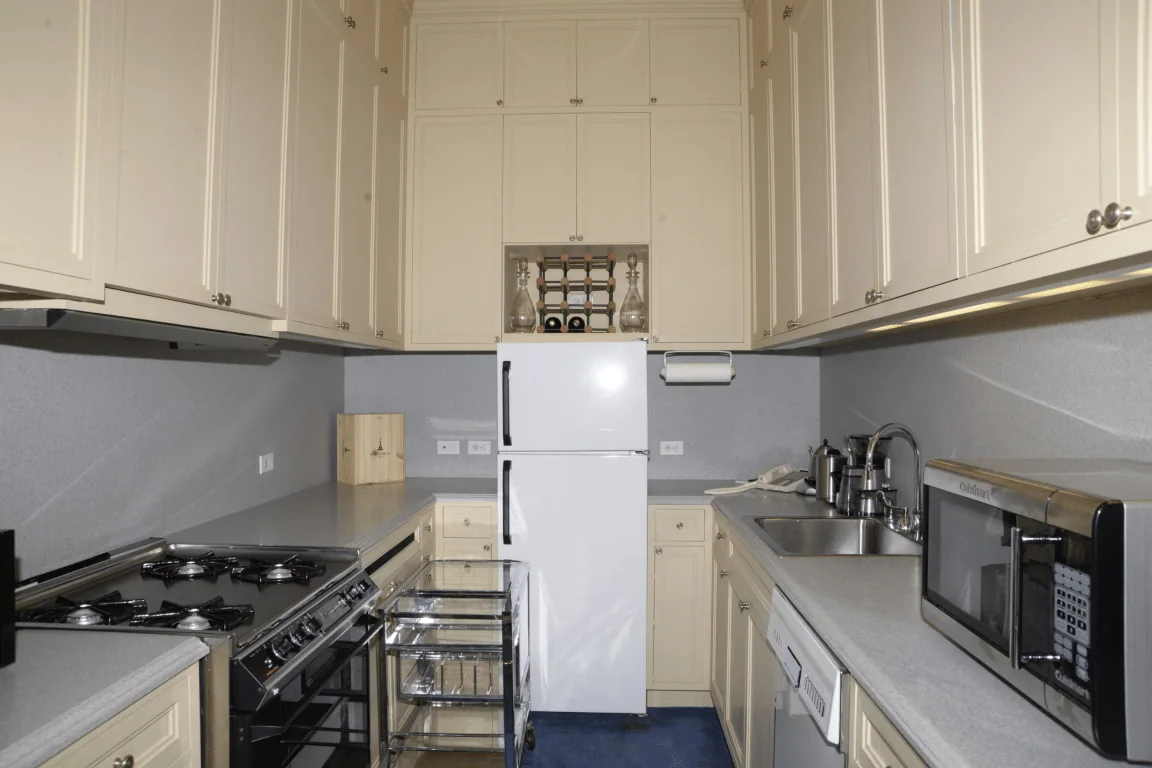
Crews carefully pull the refrigerator away from the wall and identify exactly where the supply line is leaking. Moisture meters reveal how much water has already traveled into the wall cavity, subfloor, and basement framing that may not be visible.
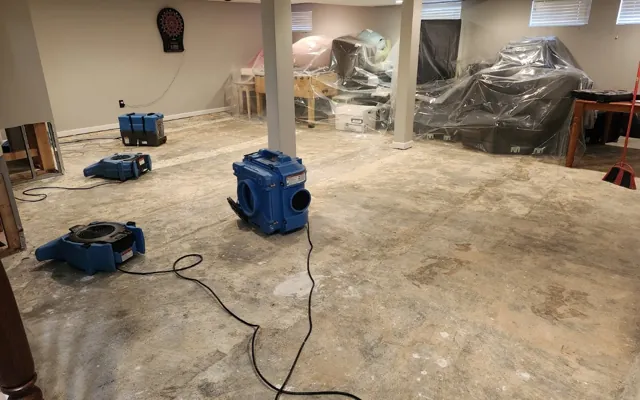
Air movers and a dehumidifier dry the subfloor, framing, wall cavity, and any basement space where water settled. Crews may open a section of wall or lift flooring to expose wood that needs active air circulation to dry safely and fully.
Surfaces exposed to moisture are at high risk for mold growth, especially in Quapaw Quarter's older, enclosed spaces. Crews clean and treat these areas with antimicrobial before closing everything up so decay and mold do not begin afterward.

Refrigerator leak cleanup in Quapaw Quarter usually runs $600 to $3,000. The cost tracks how long the line leaked and how far the water spread into the subfloor, cabinets, and hardwood. A sudden supply-line or valve failure is often covered by homeowner insurance once you meet the deductible, while a slow leak left for months may be excluded. Crews document the source and drying.
Quapaw Quarter is Little Rock's oldest historic neighborhood, lined with Victorian and early-1900s homes listed on the National Register. Many of these grand houses have full basements, rare in the city, where heavy spring storms can overwhelm aging sump pumps. The original galvanized plumbing upstairs can fail quietly, sending water into those basement spaces and framing before anyone notices. Original galvanized supply lines in Quapaw Quarter's 100-year-old homes corrode and fail, especially at the fitting where a flexible line attaches to a refrigerator. The neighborhood's full basements and clay-soil drainage also mean water can pool and spread undetected until framing shows damage. From Quapaw Quarter, crews also cover nearby Governor's Mansion District, South Main Residential Historic District, Downtown, MacArthur Park District, Capitol View/Stifft's Station, Hillcrest. See every neighborhood and town on the full service area page.
See all areas servedEvery loss is photographed, measured, and logged from the first visit, so the paperwork holds up with your insurance carrier.
Technicians follow recognized IICRC drying standards and prove the work with daily moisture readings, not guesswork.
Emergency dispatch any hour of the day or night, with a real crew on the way, not a callback in the morning.
A real crew dispatched any hour, not a callback in the morning.
Trained technicians following recognized IICRC drying standards.
Truck-mounted, portable, and submersible for any size loss.
The loss is documented and billed to the carrier directly.
Yes. Older homes often have closed cavities and thick plaster walls that trap moisture. Crews use extra air circulation and may open sections of wall to ensure moisture inside plaster and lath can escape. Standard drying times may be longer because of the home's construction.
Water from a refrigerator line above can drip through subfloors and wall cavities into the basement below. Crews trace the full path the water took and dry all affected levels. That is why crews document with photos and moisture readings at multiple points.
Crews are on call 24 hours a day and can be on the way to Quapaw Quarter within the hour.
Call (501) 287-9058