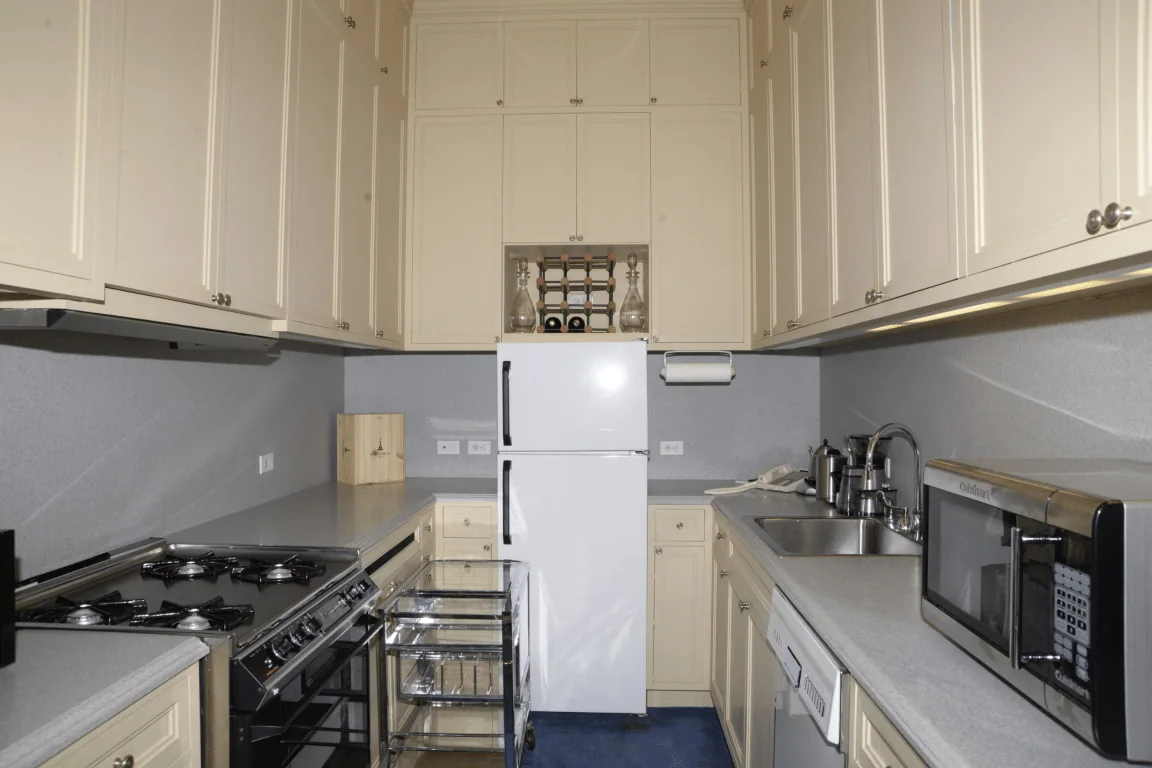
Burst refrigerator lines behind your kitchen can soak through walls and flooring fast in Downtown's older homes. The IICRC-standard crew responds locally to pull the fridge, map the hidden water, and dry to verified standards.

Crews slide the refrigerator out carefully and track exactly where the line is leaking. Moisture meters let the crew see how far water has already traveled into the subfloor, wall cavities, and cabinet sides that you cannot see.
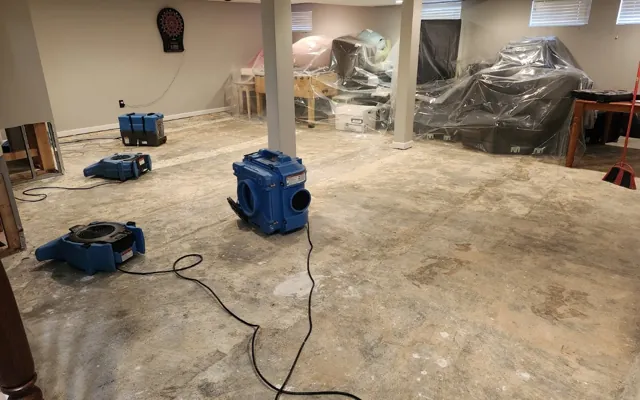
Air movers and a dehumidifier dry the subfloor, wall base, and cabinet interiors where moisture lingers. If readings show deep penetration, crews lift flooring or open wall sections to ensure framing dries completely and safely.
The warm space behind a fridge is mold's perfect home. Any surface that stayed damp gets cleaned and treated with antimicrobial. Crews close everything back up so the leak cannot start over again.

Refrigerator leak cleanup in Downtown usually runs $600 to $3,000. The cost tracks how long the line leaked and how far the water spread into the subfloor, cabinets, and hardwood. A sudden supply-line or valve failure is often covered by homeowner insurance once you meet the deductible, while a slow leak left for months may be excluded. Crews document the source and drying.
Downtown Little Rock sits on the city's historic riverfront, where aging cast-iron plumbing and decades-old supply lines run through close-set blocks of older commercial and residential structures. A sudden leak or a failed refrigerator line can push water through multiple floors before anyone notices, soaking framing and finishes that are hard to replace. Aging cast-iron drains and galvanized supply lines are the norm in Downtown's dense, low-lying historic district. Spring thunderstorms often overwhelm aging drainage, and corroded pipe fittings can give way without warning, turning a slow refrigerator leak into a multi-room water loss. From Downtown, crews also cover nearby Quapaw Quarter, Governor's Mansion District, South Main Residential Historic District, MacArthur Park District, Capitol View/Stifft's Station, Hillcrest. See every neighborhood and town on the full service area page.
See all areas servedEvery loss is photographed, measured, and logged from the first visit, so the paperwork holds up with your insurance carrier.
Technicians follow recognized IICRC drying standards and prove the work with daily moisture readings, not guesswork.
Emergency dispatch any hour of the day or night, with a real crew on the way, not a callback in the morning.
A real crew dispatched any hour, not a callback in the morning.
Trained technicians following recognized IICRC drying standards.
Truck-mounted, portable, and submersible for any size loss.
The loss is documented and billed to the carrier directly.
Crews answer calls 24/7 and keep a crew stationed locally. For an active leak in Downtown, crews typically respond within an hour, secure the water source, and begin drying immediately. Speed matters because every hour a leak runs, water spreads deeper into framing and finishes.
Most homeowner policies cover sudden and accidental water damage, including a burst supply line. A slow leak that went unnoticed for weeks may not be covered. Crews photograph and document the source and timeline so your adjuster can make an informed decision quickly.
Crews are on call 24 hours a day and can be on the way to Downtown within the hour.
Call (501) 287-9058