Pulaski Heights' vintage crawlspaces hide corroded cast-iron drains and burst supply lines that flood the foundation. Crews respond fast, pump, locate the source, and restore your historic home.

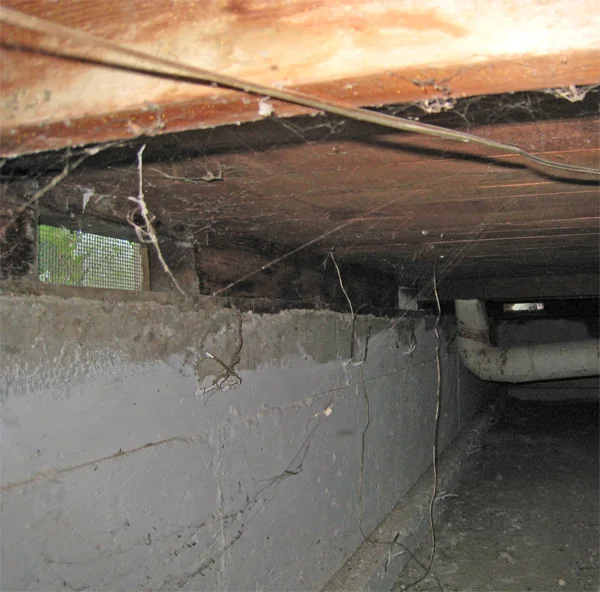
Crews extract standing water and inspect the cast-iron drain and supply lines in Pulaski Heights' crawlspace to identify whether water came from a sewer backup, a pipe burst, or a perimeter seep.
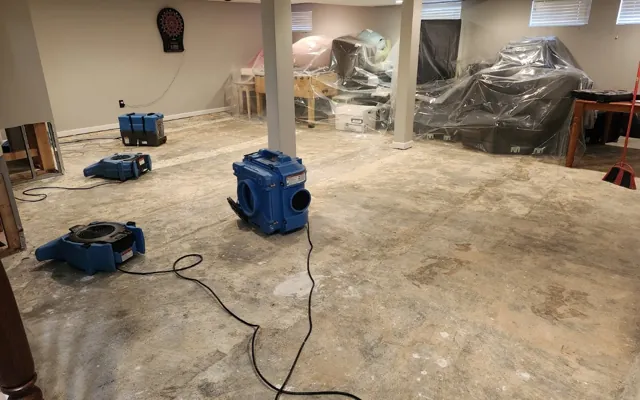
Crews strip saturated insulation and debris from joists and rim board, working carefully to preserve original structural framing and foundation details in this historic neighborhood.
Air movers and dehumidifiers run continuously, with daily moisture checks on original joists and rim board until your Pulaski Heights foundation is completely dry and mold-resistant.

Crawlspace water removal in Pulaski Heights usually runs $1,200 to $6,000. The range reflects how much water pooled, how saturated the soil and insulation became, and whether joists need treatment or a drain and sump are added. Sudden plumbing failures are often covered by homeowner insurance, while long-term seepage from grading may not be. Crews document the cause and drying either way.
Pulaski Heights' early-1900s streetcar homes carry original cast-iron drains and galvanized supply lines that corrode with age and fail without warning. A sewer backup or a burst line can flood the crawlspace silently, wetting rim joists and creating a hidden mold hazard before the homeowner detects it. Pulaski Heights' early-1900s homes carry corroded cast-iron drains and galvanized supply lines that rupture or back up with age. Winter freezes, spring storms, and tree roots in sewer lines are common triggers that send water pooling in crawlspaces, where moisture-loving mold and rot colonize joists within days. From Pulaski Heights, crews also cover nearby Riverdale, East Little Rock, North Little Rock, The Heights, Hillcrest, Broadmoor. See every neighborhood and town on the full service area page.
See all areas servedEvery loss is photographed, measured, and logged from the first visit, so the paperwork holds up with your insurance carrier.
Technicians follow recognized IICRC drying standards and prove the work with daily moisture readings, not guesswork.
Emergency dispatch any hour of the day or night, with a real crew on the way, not a callback in the morning.
A real crew dispatched any hour, not a callback in the morning.
Trained technicians following recognized IICRC drying standards.
Truck-mounted, portable, and submersible for any size loss.
The loss is documented and billed to the carrier directly.
Cast-iron sewer lines typically last 50 to 100 years, depending on soil chemistry and tree-root intrusion. Pulaski Heights' tree-lined streets mean root invasion is common, so periodic camera inspection helps catch problems before they cause backups.
Most policies exclude sewer backup unless you have a rider or endorsement. Crews work with your adjuster to document the loss and help you understand your coverage, and crews recommend installing a backwater check valve to prevent future backups.
Crews are on call 24 hours a day and can be on the way to Pulaski Heights within the hour.
Call (501) 287-9058